About riding Mykonos
Korfos is a U-shaped bay on the north side of Mykonos with a sandy beach of almost 400 metres, and it faces straight into the Meltemi, which is the whole point. The bay funnels the northerly, the wind arrives onshore to side-onshore, and the water is shallow and smooth for the first stretch out: that combination is why Korfos is the island's teaching beach as well as its riding one.
The winds, by name
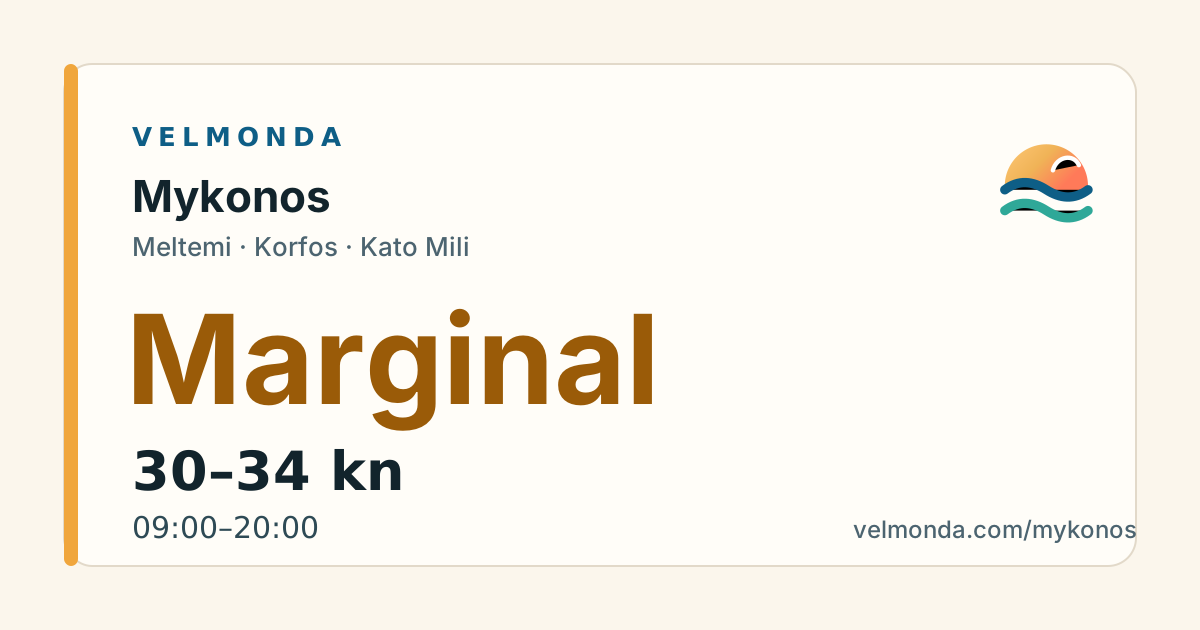
Meltemi. The one wind that matters here: synoptic flow down the Aegean, arriving at Korfos mostly from the NNW. It does not switch off at night (the beach's own anemometer puts the day-night swing at only about five knots), and it peaks mid-afternoon, around 15:00–17:00. Above 30 knots it turns distinctly gusty as it compresses over the hills.
When to come
May to September is the Meltemi season, and the beach's own measurements say June and August are the strongest months; May is the softest of the five. Water is Aegean-warm; the suit is rarely the deciding factor here.
What to watch
Marker buoys bound the riding area at both ends of the bay. Stay inside them: behind both ends there are rocks, the road and cables. The first metres off the beach are crowded with lessons and launches, and boats run deep-water teaching in the bay. When the Meltemi passes 30 knots, expect real gusts and size down.
Getting there
Korfos bay sits about 2.5 km from Mykonos Town and under ten minutes from the airport; the centre on the beach handles lessons, rental and storage.